


Outdoor Kitchen Design Ideas for Modern Homes
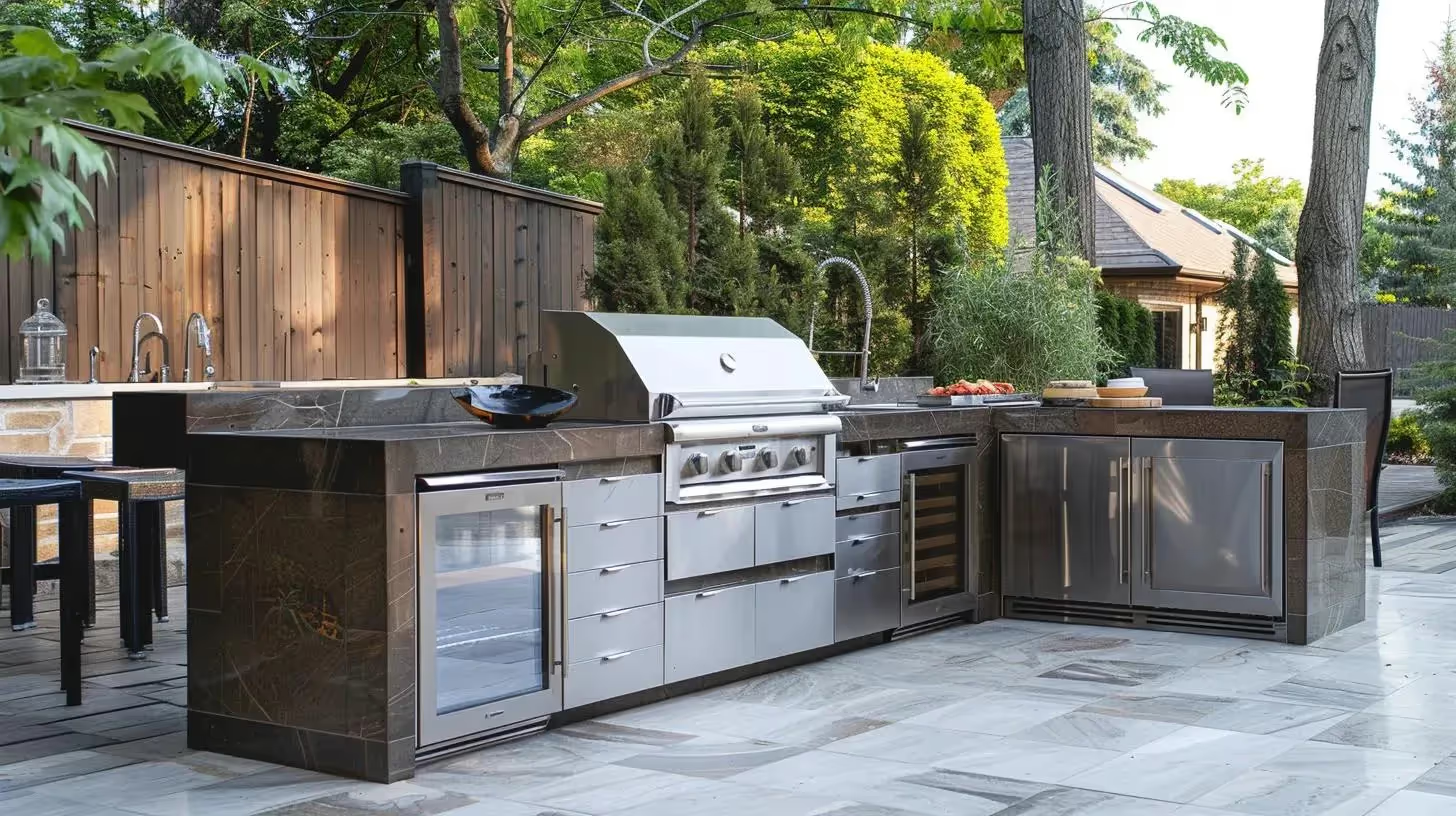
Outdoor Kitchen Design Ideas for Modern Homes
An outdoor kitchen is more than just a backyard addition—it’s a natural extension of your indoor living space that offers a perfect blend of functionality, aesthetic appeal, and seamless outdoor entertaining. For expert guidance on design and installation, consider consulting with outdoor kitchen contractors near me in your area.
As modern homes evolve, homeowners are increasingly integrating elaborate kitchen setups into their patios, decks, and backyards. This transformation is driven by the desire to host family meals and social gatherings in an open, natural environment surrounded by nature and the soothing elements of outdoor design. Key elements such as durable countertops, stylish cabinetry, energy‐efficient appliances, and efficient storage solutions combine to create an outdoor space that’s as practical as it is visually appealing. Today’s outdoor kitchens frequently feature innovative features like stainless steel sinks, concrete countertops, and advanced outdoor cooking systems tailored to withstand varying climates—from the heat of a summer barbecue near your patio to the cool nights beside your fire pit.
Along with incorporating architectural elements like walls, roofs, and ceiling lighting, outdoor kitchen design ideas are increasingly using modern technology for enhanced cooking efficiency and safety. Homeowners can now choose from a range of smart appliances, from energy-efficient ovens to integrated ventilation systems that promote consistent outdoor cooking experiences. In addition, the thoughtful use of tile, wood, and natural stone helps blend the kitchen design with the surrounding landscape, creating a harmonious overall look. With TEK Construction Group bringing over 25 years of experience in remodeling and new construction to the table, the latest trends in outdoor kitchen design ensure not only visual sophistication but also long-term durability and ease of maintenance.
Transitioning seamlessly from indoor cooking areas to expansive outdoor dining and cooking zones, the modern outdoor kitchen caters to both the aesthetic and the practical needs of contemporary lifestyles. The following sections delve into creative design concepts that combine functionality with elegant design, innovative layouts, high-quality materials, smart appliance integration, decorative touches, and practical strategies to turn your backyard into the ultimate culinary retreat.
Modern Concepts for Creative Outdoor Kitchen Designs
Modern outdoor kitchen designs emphasize a harmonious blend of art and function, establishing an inviting space that mirrors the elegance found in indoor kitchens while embracing the beauty of nature. One of the primary considerations in contemporary design is selecting durable, weather-resistant materials that resemble those found in designer interiors. Materials such as stainless steel, concrete, and high-quality stone are often utilized to withstand environmental stress while maintaining an upscale appearance. These surfaces often serve as both functional elements and statement pieces—countertops that are not only ideal for food preparation but also add a sophisticated edge to the overall design.
Selecting durable materials that mirror home elegance is crucial in outdoor environments. For example, stainless steel sinks and cabinetry crafted with marine-grade materials can resist corrosion and oxidation during harsh weather conditions. These choices ensure that the kitchen remains sustainable over the years despite being exposed to sun, rain, and wind. The modern homeowner frequently opts for polished concrete countertops because they offer the dual benefit of heat resistance and a sleek industrial look that complements a variety of design styles.
Additionally, balancing comprehensive function with stylish forms is essential for creating a fusion of beauty and utility. Outdoor kitchen designs today often incorporate multifunctional islands that integrate cooking surfaces, storage, and seating. Spaces are planned to encourage movement while also serving as social hubs during gatherings. Advanced outdoor kitchens are designed with user-friendly interfaces, such as built-in grills and smart refrigerators, that provide both high performance and intuitive controls. These technological integrations allow homeowners to monitor and manage their outdoor cooking environment effortlessly.
Handcrafted design elements often lend a personal, artisanal feel to outdoor kitchens. Incorporating local craftsmanship through custom-made tile backsplashes or reclaimed wood cabinetry can enhance the aesthetic appeal while adding unique character to the space. Advanced technology also makes its mark with features such as app-controlled lighting and integrated sound systems, which adjust the ambiance based on the time of day or specific events.
Incorporating energy-efficient equipment for outdoor use is another hallmark of modern design. Energy efficiency not only reduces utility costs but also supports sustainable practices. Appliances designed for outdoor applications minimize power consumption while maximizing output. Energy-efficient cooktops, induction burners, and convection ovens allow for professional-grade cooking experiences right in your backyard, ensuring meals are prepared evenly and quickly.
Furthermore, creating flexible open-air layouts for entertaining is vital. These layouts often include retractable roofs, modular seating arrangements, and versatile cooking islands that can be rearranged as needed. This design flexibility means that the outdoor kitchen can adapt to both intimate family dinners and large social events, ensuring that the space remains relevant over time as entertaining needs evolve.
Key Takeaways: - Durable materials like stainless steel and concrete ensure elegance and longevity. - Modern design integrates multifunctional islands with smart technology. - Energy-efficient equipment is essential for sustainable outdoor cooking. - Flexible open-air layouts accommodate both small and large gatherings.
Innovative Layouts for Stylish Outdoor Kitchens
Innovative layouts in outdoor kitchens focus on creating a seamless integration between cooking zones and social areas, making the space more inviting and functional. The key to an effective layout is merging cooking zones with social spaces seamlessly. This means that while one area is dedicated to culinary tasks, another area is designed for food presentation and casual dining. Open floor plans that foster continuous visual and physical access between these zones ensure that the host is never isolated from guests during a gathering.
Merging cooking zones with social spaces requires careful planning of the location of major appliances and seating arrangements. For instance, positioning a grill or stove near a built-in counter with bar seating allows the cook to interact directly with guests while food is being prepared. This dynamic arrangement not only enhances the social element of dining outdoors but also optimizes workflow during food preparation. Walkways and service areas should be clearly defined to avoid congestion, ensuring ease of movement and minimizing potential hazards.
Developing integrated seating and dining nooks is another important aspect. Outdoor kitchens often include built-in benches, patio tables, and flexible seating configurations that can be customized to suit the event. For example, a built-in banquette area adjacent to a pizza oven might be ideal for family dinners, while a movable sectional sofa around a low-profile bar is perfect for cocktail parties. Strategic seating arrangements support both casual and formal dining experiences, inviting guests to linger in the space.
Using natural elements for spatial definition transforms the outdoor kitchen into a relaxed yet sophisticated environment. Landscaping features such as strategically placed planters, water features, and natural stone walls serve to delineate different zones without the need for rigid structures. Natural elements help bridge the gap between built spaces and the organic environment, enhancing the overall ambiance and making the transition between interior and exterior living seamless.
Establishing multi-tiered spaces for varied activities is crucial for a dynamic outdoor kitchen. These spaces can include raised cooking islands, sunken dining areas, and platformed lounge zones that all work together to create a layered and visually appealing layout. Multi-level designs not only provide variety in functionality but also allow for better use of space in smaller backyards. For instance, a raised platform might support a high-end grill and prep station, while lower levels host a dining area shielded by overhead pergolas or retractable awnings.
Effective layouts also consider the flow of natural light and climatic conditions. Positioning windows, skylights, and shades appropriately can maximize natural illumination during the day and create a cozy atmosphere in the evenings by integrating ambient lighting solutions. Careful attention to spatial flow and movement can transform an ordinary outdoor kitchen into an extraordinary space that caters to varying user needs and conditions.
Key Takeaways: - Seamlessly merge cooking zones with social areas for an engaging experience. - Integrated seating solutions and dining nooks enhance both casual and formal gatherings. - Natural elements can effectively define spaces and improve the aesthetic. - Multi-tiered designs maximize functionality in compact outdoor areas.
High-Quality Materials That Define Outdoor Kitchen Designs
High-quality materials are central to the success and sustainability of outdoor kitchen designs. Choosing countertops and surfaces that resist weather is paramount for ensuring that your outdoor kitchen remains functional and beautiful over time. Materials like natural stone, polished concrete, and high-grade stainless steel not only provide a sophisticated look but are engineered to resist the harsh effects of sun, rain, and seasonal temperature changes. These surfaces are relatively easy to clean and maintain, ensuring that the kitchen always invites a fresh, hygienic cooking environment.
Selecting cabinetry suited to outdoor conditions is equally important. Outdoor kitchen cabinetry should be constructed of materials that are both robust and moisture-proof. Options such as marine-grade polymer or powder-coated stainless steel are popular choices because they resist corrosion and fading even in direct sunlight. Proper cabinetry stores cooking utensils, serving dishes, and other essentials securely while maintaining a sleek, modern look that complements other design elements. The finishes used also play a significant role; coordinating finishes with the surrounding landscape ensures that the outdoor kitchen appears integrated within the natural backdrop, be it a lush backyard or a minimalistic patio setting.
Highlighting storage solutions that merge form and function elevates the overall utility of the space. Smart design involves incorporating pull-out drawers, hidden compartments, and modular shelving systems that provide ample storage without compromising the visual flow of the area. By integrating storage into the design, clutter is reduced, and the space remains organized—essential during large outdoor gatherings or daily use. Custom-designed storage systems can be seamlessly built into countertops and islands so that every utensil, tool, or ingredient has its designated place.
Incorporating coordinated decorative touches such as natural stone veneers, decorative tiles, and textured finishes can enhance the tactile appeal of the workspace. The aesthetics of the outdoor kitchen are closely linked to the surrounding architecture and landscape, and the use of contrast and complementarity in material finishes helps sharpen the visual identity of the space. For instance, a concrete countertop may be paired with warm wooden cabinetry and accented by modern stainless steel fixtures to generate a cohesive yet dynamic look. Integrated lighting elements, whether as task lighting over the cooking area or ambient lighting around seating spaces, further emphasize the quality materials while adding safety and functionality.
Furthermore, many high-quality materials come with the advantage of being eco-friendly and energy efficient. Today’s construction trends see a growing emphasis on sustainable design practices, where recycled materials or responsibly sourced natural products are used in outdoor kitchen builds. These choices not only reduce the environmental footprint but can also enhance the durability and resiliency of the space in the long run.
Key Takeaways: - Weather-resistant surfaces such as natural stone and concrete provide both beauty and durability. - Outdoor cabinetry made of moisture-proof materials enhances longevity. - Integrated storage solutions maintain organization and streamline the design. - Sustainable material choices contribute to both durability and environmental responsibility.
Merging Modern Appliances With Outdoor Aesthetics
Merging modern appliances with outdoor aesthetics is a vital aspect of contemporary outdoor kitchen design. Integrating energy-efficient cooking equipment ensures that the kitchen remains both functional and sustainable. Modern outdoor appliances are designed specifically for use in open-air environments by incorporating energy-saving technologies and robust, weather-resistant materials. For example, outdoor induction cooktops, convection ovens, and built-in grills are engineered with energy ratings that reduce overall power consumption while delivering high performance in rigorous outdoor settings.
Integrating energy-efficient cooking equipment not only contributes to lower utility costs but also supports sustainability practices by reducing the kitchen’s carbon footprint. Appliances such as smart refrigerators and advanced ventilation systems are designed to work efficiently with outdoor conditions, ensuring that heat is managed effectively and the cooking environment remains comfortable. These high-tech systems typically come with user-friendly interfaces that allow homeowners to control settings remotely via apps, providing both convenience and versatility in operation.
Featuring smart storage and cooling systems further enhances the function and appeal of the kitchen. Outdoor cooking often produces heat, particularly when using grills and ovens; therefore, effective cooling systems are essential to maintain appliance efficiency and prolong their lifespan. For example, built-in cooling units that integrate with the kitchen’s design can keep beverages and perishable ingredients at optimal temperatures even during extended summer gatherings. Additionally, smart storage solutions such as refrigerated drawers and weatherproof wine coolers ensure that ingredients and drinks are always readily available without compromising the kitchen’s aesthetic integrity.
Utilizing ventilation options that suit open-air settings is similarly crucial. Proper ventilation not only evaporates excess heat generated by high-powered appliances but also ensures that cooking odors are efficiently dispersed. This is particularly important in outdoor kitchens that are adjacent to dining areas, as it enhances guest comfort and promotes a pleasant ambiance. High-quality ventilation hoods and exhaust systems are designed to work optimally in outdoor settings—reducing smoke and steam while allowing natural airflow to augment the mechanical systems.
Arranging appliance placement for streamlined operation demands strategic planning. Each appliance must have enough clearance to function effectively without impeding the movement of cooks or guests. Thoughtful placement can create a natural workflow that seamlessly transitions from preparation and cooking to serving and dining. For example, situating the grill centrally to face both the seating and preparation areas encourages interaction and ensures that the chef remains an integral part of the social experience. This convergence of technology and design creates an outdoor space that is both visually appealing and highly functional, providing an enhanced cooking experience that responds to modern lifestyles.
A comprehensive table below summarizes key appliances, their features, and the benefits they bring to a modern outdoor kitchen:
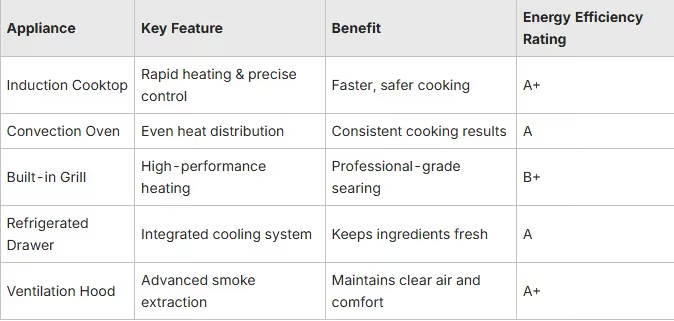
This table provides a quick reference guide for homeowners and designers looking to choose the right modern appliances that complement the aesthetics and functionality of an outdoor kitchen.
Key Takeaways: - Energy-efficient appliances reduce power consumption while maximizing performance. - Smart storage and cooling systems enhance convenience and preserve ingredients. - Effective ventilation is key to maintaining comfort in open-air kitchens. - Strategic appliance placement creates a natural workflow that supports both cooking and social interaction.
Decorative Touches for Stylish Outdoor Kitchen Ideas
Decorative touches in an outdoor kitchen play a significant role in rounding out the overall style and creating a unique, personalized living space. Introducing artistic tile work and patterned backsplashes can instantly transform a basic kitchen area into a visually dramatic focal point. Tiles featuring intricate designs or bold colors can echo the natural elements found in a backyard landscape, uniting the indoor aesthetic with the outdoor ambiance. The artful selection of tile can serve as a statement piece while also offering durability and ease of maintenance, proving both decorative and functional.
Selecting custom hardware for a refined look is another way to elevate the kitchen’s decor. High-quality handles, faucets, and knobs in finishes such as brushed nickel or matte black not only offer smooth operation but also add a layer of elegance and cohesion to cabinetry and storage units. Such hardware options are designed to endure outdoor elements without tarnishing, ensuring that the stylish appeal remains intact over time. The right hardware subtly reflects the overall design theme—whether modern minimalism or rustic charm—and ties together various elements of the outdoor kitchen.
Adding sculptural lighting that accentuates design features is essential in creating a warm and inviting atmosphere after dark. Outdoor lighting that is both functional and artistic can highlight specific design elements, such as a textured stone wall or a beautifully tiled backsplash. Pendant lights, recessed fixtures, and even LED strip lighting can be carefully integrated into the layout to not only illuminate the cooking area but also to set the mood for outdoor dining and entertaining. By choosing lighting that harmonizes with the space, the outdoor kitchen can transform into a multi-functional area that is as enjoyable during the night as it is during the day.
Coordinating decor with natural surroundings further enhances the organic feel of an outdoor kitchen. Accessories such as planters, outdoor rugs, and decorative table settings should be chosen with an eye toward complementing the exterior landscape. Natural fabrics and weather-resistant materials ensure that every decorative element withstands exposure to the elements without sacrificing style. For instance, wooden accents and wrought iron features can echo the architecture of a traditional patio while adding a modern twist to the overall design.
Furthermore, designers now incorporate mixed-media installations, such as metal sculptures or reclaimed wood art pieces, to add texture and diversity to the space. These decorative touches not only serve an aesthetic purpose but can also stimulate conversation and create a sense of place. When combined with a carefully planned color palette that draws from the natural scenery—blues, greens, earthy tones—the outdoor kitchen becomes a cohesive retreat that reflects both the personality of the homeowner and the character of the landscape.
Key Takeaways: - Artistic tile work and patterned backsplashes serve as focal points while remaining practical. - Custom hardware and sculptural lighting elevate both functionality and aesthetic appeal. - Accessories coordinated with natural surroundings create a harmonious indoor-outdoor flow. - Mixed-media decorative elements add personality and texture to the space.
Practical Strategies for Outdoor Kitchen Design Success
Practical strategies are essential to ensure that the outdoor kitchen design is not only visually appealing but also functional and long-lasting. Planning layout zones for effortless movement forms the backbone of a successful outdoor kitchen. Dividing the space into distinct zones—such as cooking, dining, and lounging—ensures a smooth flow of activities. Designers often recommend incorporating a central hub area that connects these zones, where the cooking island is strategically placed to act as a service station. This careful zoning minimizes congestion, increases safety, and allows for flexible use of space during both intimate dinners and large gatherings.
Addressing weatherproofing and long-term upkeep is another practical consideration in outdoor kitchen designs. High-quality weatherproofing measures ensure that the materials, appliances, and decorative elements resist the impact of extreme temperatures, rain, and UV exposure. For instance, selecting roofing solutions that include coated metal or treated shingles can protect the kitchen area from direct sunlight and rain. In addition, proper drainage and water-resistant constructions are critical to preventing premature deterioration. Periodic maintenance, such as regular sealing of stone countertops and cleaning of stainless steel surfaces, extends the lifespan of the outdoor kitchen and preserves its pristine condition.
Ensuring a seamless indoor-outdoor transition creates a unified living area that enhances comfort and accessibility. This strategy involves thoughtful placement of doors, windows, and transitional spaces such as patios or decks that connect the outdoor kitchen to the main house. With clear sightlines and unobstructed pathways, the design facilitates natural light flow and enhances the overall spatial feel. Additionally, large sliding or folding glass doors can blur the line between indoor living spaces and the outdoor kitchen, making the entire area appear larger and more interconnected.
Adapting the design to budget and space parameters is crucial for achieving a harmonious balance between high-end features and cost effectiveness. Homeowners often work closely with contractors like TEK Construction Group to tailor the design to their specific needs and budget constraints. This might include prioritizing certain features—such as a high-end outdoor oven or stainless steel cabinetry—while opting for more cost-effective options in less critical areas. Leveraging consultation and professional design expertise ensures that every aspect of the project, from material selection to appliance integration, aligns with both aesthetic visions and financial realities.
Utilizing consultation for tailored design outcomes finalizes the planning process by ensuring that each design element is optimized for the homeowner’s lifestyle. Professionals provide invaluable advice on current trends, durability of specific materials, and the efficiency of integrated appliances. They also offer solutions to potential challenges, such as limited outdoor space or extreme weather conditions, ensuring a design that is both innovative and practical. This expertise not only streamlines the construction process but also delivers a finished product that stands the test of time.
Below is a detailed checklist table of practical strategies for outdoor kitchen design success:
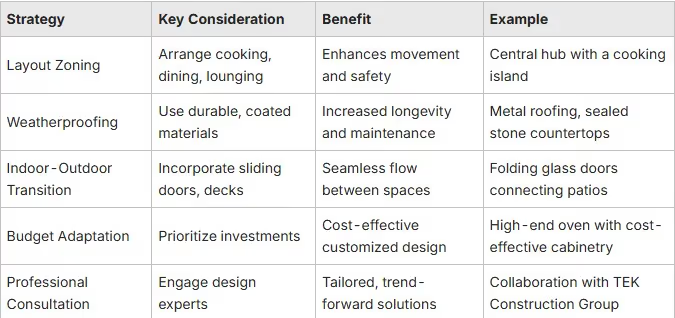
This checklist serves as a visual guide to planning your outdoor kitchen with practicality and design at the forefront.
Key Takeaways: - Zoning ensures an efficient, safe, and flexible layout. - Weatherproofing and regular maintenance protect against diverse climates. - Seamless transitions between indoor and outdoor spaces enhance the living experience. - Tailoring the design to budget and engaging professionals secures a successful outcome.
Conclusion
Outdoor kitchens have emerged as a dynamic extension of modern homes, combining high functionality with refined aesthetic appeal. By integrating durable materials, energy-efficient appliances, and innovative layouts, homeowners can successfully merge indoor comforts with outdoor experiences. The design strategies presented—from creative layouts that blend cooking zones with social spaces to decorative touches and practical solutions—ensure that every outdoor kitchen is a harmonious fusion of art, technology, and nature. As the trend continues to evolve, investing in a well-planned outdoor kitchen will not only elevate home value but also transform everyday living into a true culinary retreat.
Frequently Asked Questions
Q: What are the key benefits of incorporating an outdoor kitchen in modern homes? A: Outdoor kitchens enhance the entertainment experience by offering a dedicated area for cooking and dining that seamlessly connects with natural surroundings. They improve property value, provide durable and sustainable cooking solutions, and create a flexible space for both casual and formal gatherings.
Q: How do modern appliances fit into outdoor kitchen designs? A: Modern appliances are specifically engineered for outdoor use with energy-efficient features, weather-resistant materials, and smart technology. They can include induction cooktops, convection ovens, and built-in grills, all designed to maintain peak performance while complementing the overall design aesthetic.
Q: Which materials work best for outdoor kitchen countertops and cabinetry? A: High-quality materials like natural stone, polished concrete, and stainless steel are ideal as they resist weathering, are easy to maintain, and can mimic the elegance of indoor kitchen finishes. Outdoor cabinetry made from marine-grade polymers or powder-coated metals are also popular choices for their durability.
Q: How can I ensure a smooth indoor-outdoor transition in my outdoor kitchen design? A: Designing a smooth transition involves incorporating large sliding or folding glass doors, patios, and decks that connect the indoor space with the outdoor kitchen. This creates a unified flow, maximizes natural light, and allows for seamless integration between living areas.
Q: What should I consider when planning the layout of my outdoor kitchen? A: Consider creating distinct zones for cooking, dining, and lounging to ensure efficient movement and safety. Plan the placement of appliances and seating to facilitate interaction between the cook and guests, and incorporate thoughtful weatherproofing and storage solutions tailored to your space and budget.
Q: Are outdoor kitchens energy-efficient? A: Yes, modern outdoor kitchens incorporate energy-efficient appliances and smart technology designed to minimize power consumption. Features like induction cooktops, efficient refrigeration, and integrated cooling systems help create an eco-friendly cooking area that is both practical and cost-effective.
Give us a call!